

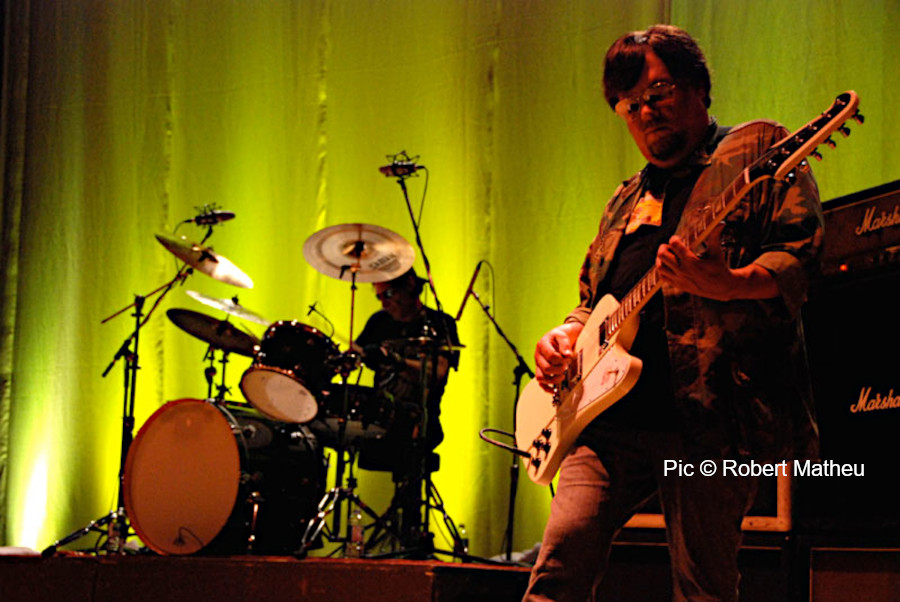
Originally published 6th January 2009.
Sad days again. It would appear that Ron Asheton, guitarist with the Stooges has been found dead at his home in Michigan. Cause of death has been reported as a heart attack. I’m truly saddened by this because I love the Stooges. I have loved them since discovering them accidentally at the age of 14 (details of that incident HERE). I loved them so much that I ended up in a band called Shake Appeal, who sounded very much like…well, guess who? I’ve also been in bands that have covered ‘Dirt’, ‘Down on the Street’ and ‘TV Eye’. I own the box set of the Funhouse Sessions. I nicked one of the setlists from the stage at the Isle of Wight festival last summer. I could go on but you get the idea. But, in order to pay tribute to Ron, we first need to go back a while.
The late 1960s was the point that marked the beginning of the age of the virtuoso rock musician. Artists such as Hendrix, Clapton and Beck were the heroes of a generation and international fame and acclaim were just around the corner for Jimmy Page and Dave Gilmour. However, when Michigan rock band The Stooges released their debut album in 1969, their approach to their art was the antithesis of the technique and skill of the established rock gods. They had been together less than a year but had built a formidable reputation through their provocative and confrontational live appearances. The sound of the band had moved on from its avant garde beginnings and had become a fuzz drenched reduction of rock’s common language, deliberately basic and willfully aggressive. As well as their own acknowledged love of Jimi Hendrix and Ravi Shankar, it has been claimed that the band drew much sonic inspiration from the sound of the machinery of Detroit’s auto industry. Sickening screeches and the whining and wailing of feedback would feature heavily in Ron’s soloing style, the perfect aural equivalent of the arc welders and sheet metal cutters that were in daily use by the workforce in the car factories. With the band’s use of repetition, drones and excessive volume and with a maniac masochist out front and Ron kicking up a gloriously depraved wall of noise stage left, a Stooges performance was not for the faint hearted.
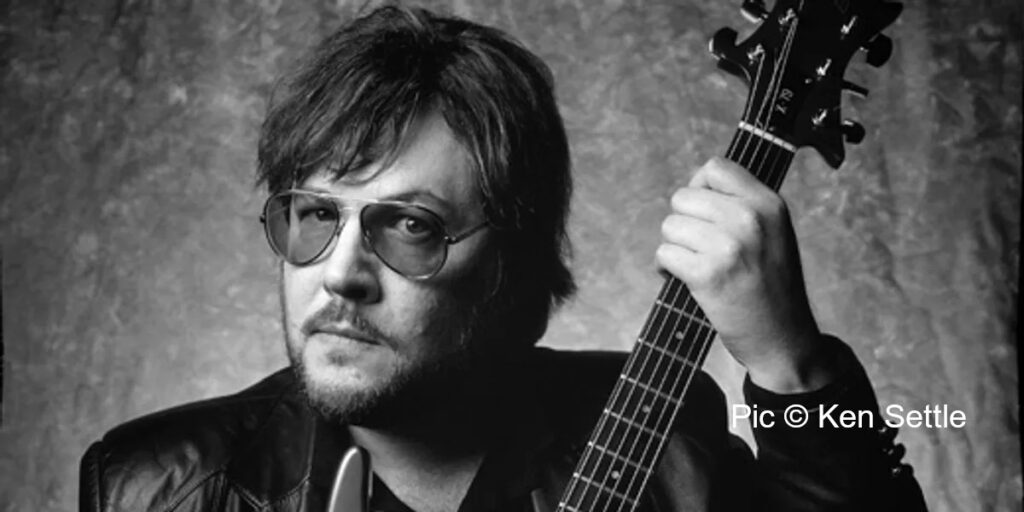
Signed to Electra Records on the recommendation of fellow Michiganites the MC5, the band’s debut album, called simply The Stooges, contained three songs that were destined to become classics- ‘1969’, ‘No Fun’ and the immortal ‘I Wanna Be Your Dog’. The rather flat production robs the band of some of its collective energy but Ron comes through loud and clear, his guitar spits and snarls, rasps, splutters and shrieks. Its not subtle, the playing is pretty rudimentary but it is absolutely fantastic- honest, true and alive, as if he has managed to channel all the inarticulacy of the pissed off teenager, the crude fumblings and awkwardness and all that pent up aggression. With Ron’s simple powerchords and belligerent solos coupled to Iggy’s tales of suburban alienation and teenage boredom, The Stooges effectively invented a whole new genre- punk rock- years before anyone in New York or London. So, of course, everyone hated the album and no-one bought it at the time.
A similar fate also befell the second Stooges album, ‘Funhouse’. In an attempt to capture the spirit of one of the band’s performances this was recorded ‘as live’ at Elektra Studios, Los Angeles, during May 1970. The band’s musicianship has improved but the attitude has stayed as bad as ever. With all the studio meters in the red, the band tore into take after take of each song and the result is a recording that slams into the front of the speakers. Ron’s pushing the amps this time rather than depending on the fuzz pedal but he’s upped the menace and is rock solid all the way through. Like a dangerous dog on a leash he keeps it tight for most of the album opener ‘Down On The Street’, although a wide open chorus section and the double tracked solo tear pretty big chunks from the sides of the rock beast. The dense clamour of the ‘TV Eye’ riff never slips for a moment and ‘Dirt’ is magnificent- what would have been a mere bluesy dirge in lesser hands is a given a malevolent edge as Ron’s guitar stalks the vocal, phrases and fills stabbing from out of the darkness before retreating into a sweet descent for the chorus section. Then its back to full volume for a shrill, wiry solo that builds to a crescendo before abruptly collapsing into a spiraling wah wah freefall that makes the head swoon. Elsewhere, the track ‘Loose’ is 3.34 of three chord perfection. Henry Rollins would later sum up this song perfectly when he commented “Its violent, its sexy and its everything that makes rock ‘n’ roll worth listening to”.
The intro is a simple powerchord and drum fanfare, but when the arrangement drops to introduce the churning main riff Iggy is thoughtful enough to caution us. “Now look out” he says…and its good advice. Somewhere deep in the mix a single note sounds a mournful whine and the band are out of the blocks, hammering into the same three chords over and over with ferocious intent. Iggy might be “taking a ride” but Ron is definitely in the driving seat. Between 2.23 and 2.30 his solo climaxes with a bent chord and as the notes within the chord clash, the uneven harmonics beat against each other creating a shuddering howl of agony. It’s a glorious imperfection and an electrifying moment, only one of many spread across the whole album. Unfortunately, once again, everyone hated the record and no-one bought it at the time. As a result, Elektra dropped The Stooges and the band disintegrated soon after in a haze of bad drugs and inactivity.
Although both of these albums are now hailed as classics (‘Funhouse’ in particular regularly appears in ‘Greatest Albums’ type lists) the band were long gone when this recognition was finally achieved- despite reconvening to record their third classic ‘Raw Power’ in 1973 (but that’s another story).
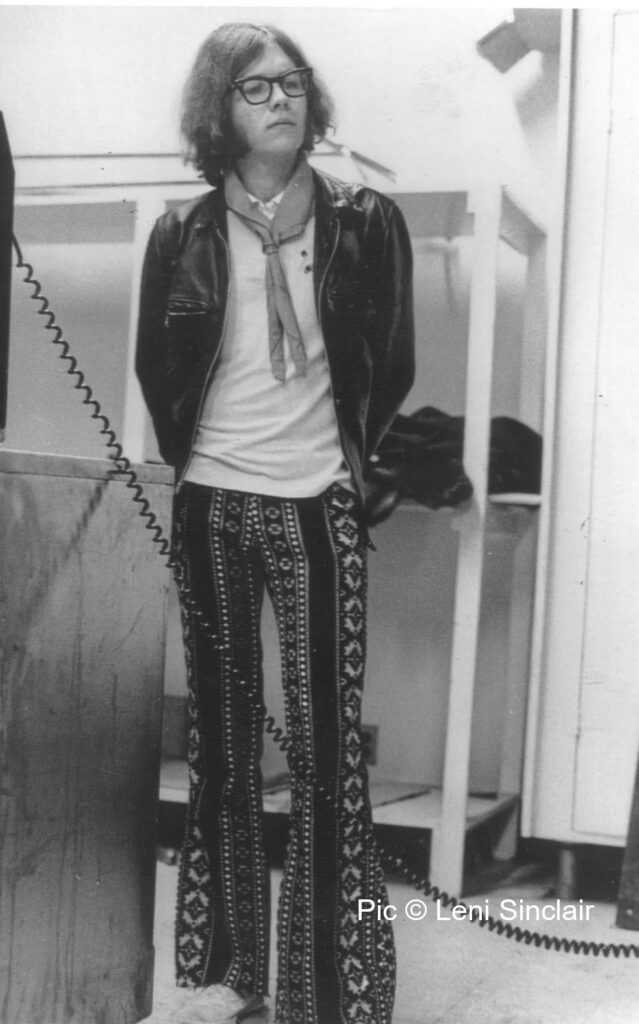
Ron Asheton was a truly underated guitarist. He wasn’t the greatest guitarist to ever pick up an instrument but anyone with any sense knows that that isn’t what is important. What does matter is that he overcame his technical limitations by developing his own style and went on to make genuinely historically important rock music. With the acclaim that The Stooges albums eventually received and the band’s acknowledged influence on the punk bands that appeared in London and New York in the mid 1970s, the legend could only carry on growing. When the Stooges eventually reformed in 2003, Ron appeared with shades, wah-wah and Marshall stacks intact, his playing had lost none of its gnarly, greaseball attitude and the band were performing with an intensity that would be remarkable in persons half their age. I now feel quite fortunate to have seen them three times in the last few years and whether they were rocking a small club in Berlin, causing a stage invasion in Istanbul or stunning an English festival audience, I was always aware that I was watching a legend at work, still taking on the electric guitar on his own terms and sounding as fresh as ever.
RIP Ron .